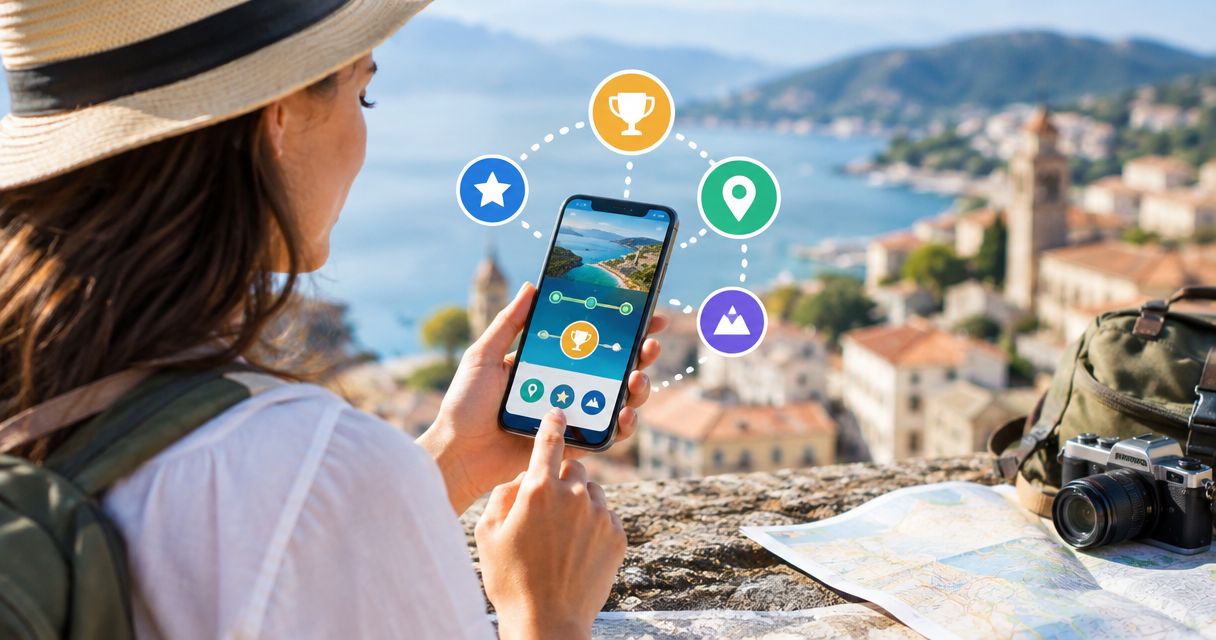
Best for a custom destination campaign: Brainylab. Best for self-guided exploration: Actionbound. Best for mission-based participation: Goosechase. Best for traveler-preference quizzes: Outgrow. Best for recurring promotional campaigns: Qualifio. This 2026 guide separates custom development from campaign software so you can choose the right delivery model, not just a game format.
- Among the best gamification platforms for destination marketing, Brainylab fits custom-built quizzes, branded games, and interactive experiences.
- Choose Actionbound for self-guided exploration and Goosechase for mission-based group participation.
- Choose Outgrow for traveler-preference quizzes; assess Qualifio for recurring interactive promotions.
- Judge destination gamification by useful visitor actions and first-party data, not participation alone.
Why this matters
A destination campaign needs to do more than keep someone playing. Your experience should help a prospective visitor choose a trip, encourage exploration during a visit, or collect preferences you can use in relevant follow-up.
Those are different jobs. A scavenger hunt does not automatically make a good trip-planning quiz, and a quiz builder is not automatically suitable for an outdoor trail.
For your 2026 shortlist, decide whether you need software your team operates or a studio that builds the experience. Treat that distinction as a procurement decision before comparing individual features.
What makes the best destination gamification platform?
Use these criteria before looking at the ranking:
- Visitor purpose: The mechanic supports a defined action, such as discovering attractions or selecting an itinerary theme.
- Participation context: The experience suits either pre-trip browsing, on-site exploration, or organized group participation.
- Data usefulness: Questions collect preferences your team can actually use, rather than information gathered without a follow-up plan.
- Operational ownership: Someone owns content updates, translations, participant questions, and campaign reporting.
- Delivery fit: A configurable platform suits repeatable formats; custom development suits a brief that needs a different interaction.
- Measurement clarity: You can distinguish participation from the destination action you want participants to take.
Choose the visitor action first and the game mechanic second. Otherwise, your shortlist becomes a comparison of unrelated capabilities.
Destination gamification options at a glance
This is a use-case ranking, not a claim that every option provides the same functionality. Brainylab is a creative development studio; the other entries are software options for different campaign formats.
| Rank | Option | Best for | Standout approach | Key limitation |
|---|---|---|---|---|
| 1 | Brainylab | Custom destination campaigns | Bespoke quizzes, branded games, and interactive experiences | Requires a scoped development brief rather than a self-service setup |
| 2 | Actionbound | Self-guided exploration | Interactive scavenger hunts and guided activities | A route-led experience is not a substitute for a pre-trip preference quiz |
| 3 | Goosechase | Mission-based group participation | Missions that structure an interactive experience | Requires clear mission design and participant management |
| 4 | Outgrow | Traveler-preference quizzes | Interactive quizzes and outcome-based content | A quiz does not provide a complete on-location exploration experience |
| 5 | Qualifio | Recurring interactive promotions | Marketing-oriented quizzes, contests, and games | Campaign formats still need destination-specific content and governance |
1. Brainylab: best for custom destination campaigns
Brainylab builds AI-powered gamification tools, including marketing lead-generation quizzes, branded games, and interactive experiences. It is a service-led option rather than a self-service platform subscription.
Brainylab is best for destination marketers commissioning custom quizzes, branded games, and interactive experiences. Choose this route when your brief starts with a visitor journey rather than a predefined template.
A useful destination brief might describe a preference quiz that connects traveler interests with relevant content. That is a proposed campaign concept, not a claim about an existing tourism implementation.
Brainylab pros:
- Custom development is its stated service model.
- Quizzes, branded games, and interactive experiences fall within its stated offering.
- Engagement and first-party customer data are explicit areas of focus.
Brainylab cons:
- Custom work requires agreement on scope and acceptance criteria.
- Changes need an agreed delivery and maintenance process.
Best for: Destination teams that want a commissioned experience rather than responsibility for configuring campaign software.
Verdict: Buy custom development when the visitor journey justifies it; skip this route for a routine template-only brief.
2. Actionbound: best for self-guided destination exploration
Actionbound supports interactive scavenger hunts and guided activities. Its format belongs on your shortlist when the experience centers on discovering places, completing tasks, and progressing through a planned activity.
Think in terms of an exploration brief: what should visitors notice, learn, or do at each stop? The route and editorial content need to carry the experience; tasks alone are not a reason to visit.
Actionbound pros:
- Its exploration format matches a route-led campaign brief.
- Tasks give each stop a defined purpose.
- A structured activity provides an alternative to passive destination content.
Actionbound cons:
- Your team must maintain route information and instructions.
- Physical participation requires attention to access, conditions, and visitor safety.
Best for: Tourism teams planning a self-guided trail or educational exploration activity.
Before committing in 2026, walk through the proposed route as a visitor. Review unclear directions, inaccessible stops, and places where participation would interfere with normal public use.
Verdict: Buy for self-guided exploration; skip for a campaign focused only on pre-trip lead capture.
3. Goosechase: best for mission-based group participation
Goosechase organizes interactive experiences around missions. That makes it a relevant option when you want participants to complete defined activities, rather than follow a conventional destination-information page.
For destination marketing, consider this format for an organized activation with a clear beginning and end. Your brief should explain who participates, what counts as completion, and who handles participant questions.
Goosechase pros:
- Missions provide a clear unit of participation.
- Activities can be designed around a shared destination theme.
- The format suits a campaign built around doing rather than browsing.
Goosechase cons:
- Ambiguous missions create avoidable participant questions.
- Tasks involving public submissions need moderation rules.
Best for: Destination teams organizing group challenges or event-linked participation.
Do not make competition the only motivation. A mission should help someone discover something relevant about the destination, even when that participant has no interest in winning.
Verdict: Buy for a managed mission-based activation; skip when nobody owns participant support.
4. Outgrow: best for traveler-preference quizzes
Outgrow offers interactive content tools, including quizzes. It belongs on the shortlist when the central job is helping a prospective traveler identify preferences and receive a relevant outcome.
A destination quiz could ask about interests, preferred pace, and travel priorities before presenting an editorial recommendation. Keep that recommendation distinct from live travel information: a quiz outcome should not imply that an attraction or itinerary has been checked in real time.
Outgrow pros:
- Quiz outcomes suit interest-based destination discovery.
- Questions give you a structured way to ask about preferences.
- A focused quiz is easier to brief than an open-ended game world.
Outgrow cons:
- Your team must write and maintain the recommendation logic.
- A completed quiz does not demonstrate booking intent by itself.
Best for: Destination marketers whose primary goal is pre-trip discovery and preference collection.
For a 2026 pilot, start with an editorial recommendation of 5 questions and 3 outcomes. These are proposed design limits, not completion-rate benchmarks; expand only when each addition improves the result.
Verdict: Buy for preference-led discovery; skip if the campaign depends on physical exploration.
5. Qualifio: best for recurring interactive promotions
Qualifio provides interactive marketing formats such as quizzes, contests, and games. Assess it when your team needs a repeatable campaign approach rather than a single bespoke destination experience.
Start with your editorial calendar. Describe how a seasonal quiz, a cultural promotion, and a destination-themed contest would differ before deciding whether the available formats fit your needs.
Qualifio pros:
- Multiple marketing formats support different campaign concepts.
- A repeatable approach suits an ongoing editorial program.
- Quizzes and contests offer distinct participation mechanics.
Qualifio cons:
- Reusable formats still require fresh content and meaningful outcomes.
- Contest-led concepts need clear rules and operational ownership.
Best for: Destination marketing teams planning a continuing program of interactive promotions.
Ask for a demonstration using your own campaign brief. A generic game demonstration does not answer whether your team can manage destination content, approvals, and participant follow-up.
Verdict: Buy for a recurring campaign program; hold until ownership and approval processes are clear.
How the ranking works
The ranking prioritizes campaign fit: custom development, self-guided exploration, group missions, preference quizzes, and recurring promotions. Those use cases map back to visitor purpose, participation context, data usefulness, ownership, delivery, and measurement.
This 2026 guide ranks suitability by campaign format, not measured conversion performance. Use your own brief to assess implementation details, accessibility, language requirements, data handling, and reporting before selecting a provider.
Turn your shortlist into a useful campaign brief
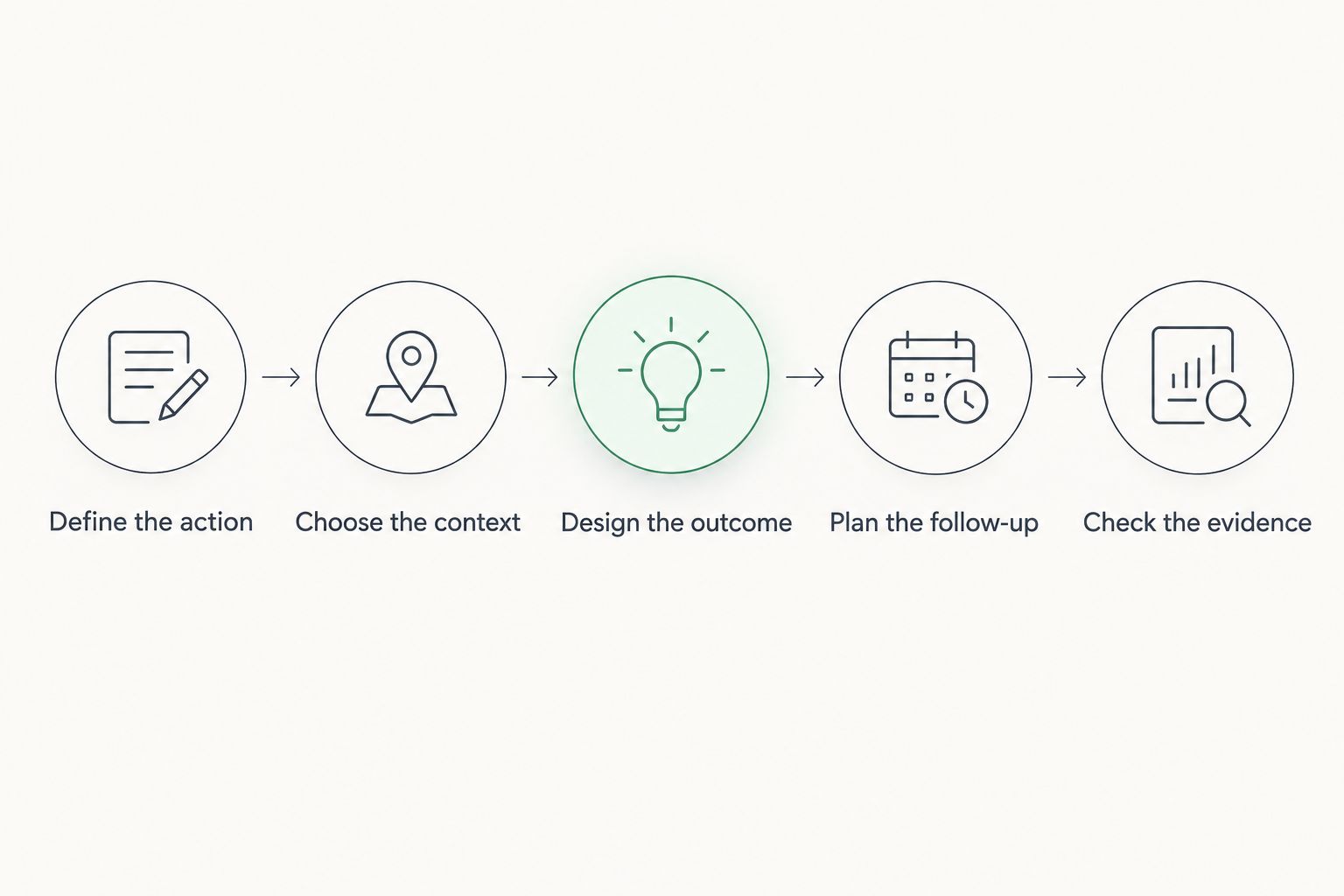
A procurement brief should connect the experience to a destination objective. Use this sequence rather than starting with a request for points, badges, or a leaderboard.
Define the action
Choose 1 primary action for the first campaign. Examples include viewing relevant destination content, requesting planning information, or joining an optional mailing list; these are alternatives, not a requirement to collect everything.
Choose the context
State whether the participant is planning a trip, already visiting, or attending an organized activity. This decision separates a preference quiz from a trail or mission-based experience.
Design the outcome
Write the result before writing the questions. If your proposed quiz outcome contains only a generic destination message, improve the recommendation before adding more interaction.
Plan the follow-up
Specify what happens after completion and who owns it. Separate the visitor's result from optional marketing participation, and have the relevant privacy and legal requirements reviewed for your campaign.
Check the evidence
Define which events you need to record: starts, completions, outcome views, and the primary action. Keep the definitions consistent so your report does not confuse game activity with destination interest.
For your 2026 pilot, document what a successful visitor journey looks like before launch. Review where people leave, whether outcomes make sense, and whether the intended next action is easy to find.
Which option should you choose?
Choose a preference quiz as the default for a pre-trip discovery brief. It gives the campaign a clear question-and-result structure without turning destination planning into an unrelated challenge.
Choose Brainylab when that brief needs custom development. Choose Outgrow when your team wants to configure a quiz; choose Actionbound for exploration, Goosechase for missions, and Qualifio for a recurring promotions program.
Discuss your destination campaign
Bring a visitor objective and campaign brief to a custom gamification discussion.
FAQ
What's the best gamification platform for destination marketing?
The best choice depends on the visitor action: use a preference-quiz tool for pre-trip discovery, an exploration tool for trails, or a studio for custom development. Compare providers against the same campaign brief rather than treating these formats as interchangeable.
Is a custom studio better than a self-service platform?
A custom studio fits a commissioned experience; a self-service platform fits a format your team wants to configure and operate. Choose based on the interaction you need and who will maintain it.
Should a tourism board choose Actionbound or Goosechase?
Shortlist Actionbound for self-guided exploration and Goosechase for mission-based participation. Test the intended visitor journey before committing, including instructions, support, and access requirements.
Can a destination quiz collect useful traveler preferences?
A destination quiz can ask directly about traveler interests and priorities. Collect only information with a defined purpose, and distinguish stated preferences from demonstrated booking intent.
Does destination gamification need artificial intelligence?
No, a destination campaign does not need artificial intelligence to provide useful questions, tasks, or recommendations. Add it only when the brief identifies a specific function and a way to check its output.
How should you measure a destination gamification campaign?
Measure participation separately from the primary destination action. Record starts and completions, then assess whether participants view relevant content or take the next step your brief defines.
How much does a destination gamification campaign cost?
Request a current proposal based on your campaign scope. Define content, languages, development, data handling, reporting, maintenance, and internal responsibilities so you can compare proposals on the same basis.
One last thing
A useful result can be the reward. Before adding a contest, write the destination recommendation a participant receives and ask whether it helps that person make a real travel decision.
If the outcome is not useful without a prize, improve the outcome first. That is a better starting point than adding another game mechanic.


