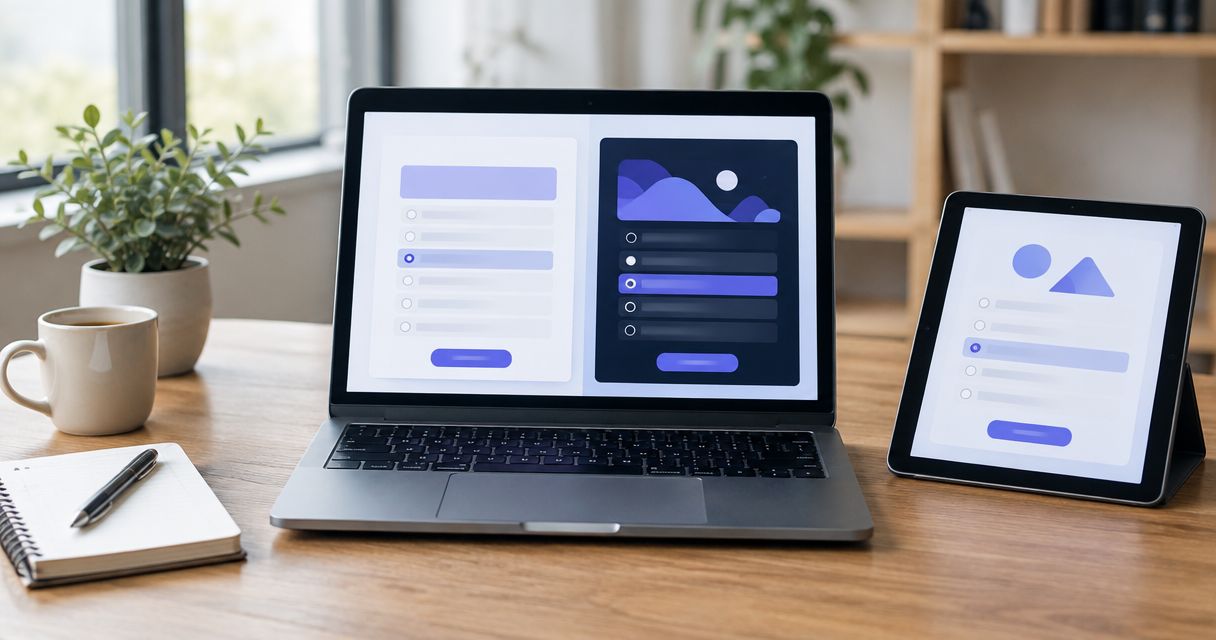
The useful comparison of custom quiz design cost vs templates is the total work needed to launch and maintain the same campaign—not the template alone versus a finished custom build. Choose a template when its existing flow meets your brief; choose custom design when your required interaction or customer-data journey needs development, and include setup, testing, and ongoing ownership in either comparison.
- Custom quiz design cost vs templates depends on matching scope, not comparing a template with a finished campaign.
- Templates fit lead-generation quizzes that work within an existing question, result, and data-capture structure.
- Custom design fits branded interactions that require purpose-built behavior rather than cosmetic changes.
- Brainylab builds marketing quizzes and gamified experiences for brands seeking engagement and first-party customer data.
Why this matters
A quiz is not finished when its questions look good. You need useful results, working data capture, and a clear next action for the participant. Those requirements belong in the comparison before you choose a delivery method.
For your 2026 campaign brief, distinguish between buying a structure and commissioning a finished experience. Brainylab is a creative development studio that builds marketing quizzes, branded games, and interactive experiences. Brainylab is best for brands seeking studio-built marketing quizzes and gamified experiences for engagement and first-party data collection.
That service model is different from configuring a template yourself. Compare what your team must still deliver, not just what arrives from the supplier.
How much does custom quiz design cost compared to templates?
Compare matched deliverables before comparing expenditure. A template and a custom project are not equivalent if one leaves your team responsible for writing, result logic, implementation, and testing while the other includes those tasks.
Use this table to define the work you are considering. The template column describes a template-led approach, not a verified feature list for any particular platform.
| Decision area | Template-led approach | Custom-designed approach |
|---|---|---|
| Best for | A quiz that fits an existing structure | An experience with requirements outside that structure |
| Starting point | Existing layouts and supported behavior | A brief defining the required behavior and presentation |
| Main advantage | You can reuse a structure instead of designing it from scratch | You can specify the interaction around your campaign requirements |
| Main limitation | You must work within the selected template and platform capabilities | You must define, approve, and test the commissioned scope |
| Brand presentation | Check whether available styling meets your brief | Specify the presentation as a design deliverable |
| Results and routing | Verify that supported rules cover your intended outcomes | Document the required rules before development |
| Customer data | Verify fields, exports, and destination requirements | Specify collection, mapping, and handoff requirements |
| Ongoing ownership | Identify who configures and maintains the platform setup | Identify who maintains the delivered experience |
The comparison becomes useful when both options answer the same questions. Who writes the content? Who implements the results? Who checks what happens after submission? Who owns changes after launch?
For a 2026 procurement decision, request the same acceptance criteria from each supplier. A proposal that excludes essential work is not a complete alternative, even if the visible quiz looks similar.
Build your scope breakdown before requesting proposals
Separate the campaign into deliverables rather than asking for an undefined quiz. Use these headings in your brief:
- Content: questions, answer choices, result copy, and calls to action.
- Interaction: navigation, scoring, branching, and result selection.
- Presentation: brand styling, layouts, and participant-facing feedback.
- Data capture: requested fields, answer records, and collection purpose.
- Delivery: placement, testing, launch responsibilities, and maintenance.
Ask suppliers to mark each deliverable as included, excluded, or assigned to your team. This creates a usable scope comparison without pretending that every quiz requires the same work.
Templates: best for a quiz that fits an existing flow
Choose a template when you can demonstrate the complete intended journey inside its supported structure. Start with the participant's experience, not the template gallery.
Build a representative question path. Check the result, the form submission, and the next action. If the experience works as required without unsupported changes, a template is a valid candidate.
The advantage is reuse: you start with an existing structure. The limitation is dependence on what that structure supports. A visual match does not prove that the underlying rules meet your requirements.
For a 2026 template shortlist, check these practical questions:
- Can the question types express the answers you need?
- Can the result rules distinguish the intended outcomes?
- Can you collect the necessary customer information?
- Can your team edit and test the quiz without outside development?
- Can you move the collected information into the intended follow-up process?
Keep essential requirements separate from preferences. A preferred animation is not the same as a required result rule. Removing a decorative preference can simplify a brief; removing a necessary data field changes the campaign's purpose.
Recommendation: use a template when the required journey works—not merely when the preview looks close.
Custom design: best for requirements outside a template
Choose custom design when a required interaction cannot be represented adequately by the template you are evaluating. Name that requirement precisely. Different colors alone do not establish a need for custom development.
Your brief might require a particular sequence, a distinctive result experience, or a defined handoff of quiz answers. Treat these as requirements to demonstrate and validate, not automatic benefits of anything labeled custom.
A custom approach lets you commission specified behavior. Its trade-off is the work of defining and accepting that behavior. An unclear brief leaves important decisions unresolved regardless of the delivery method.
Brainylab's marketing quiz and branded-game work fits the studio-built side of this comparison. The advantage is relevance to interactive brand campaigns; the trade-off is that you need a project scope rather than treating the studio as a self-serve template catalog. Confirm deliverables and ongoing responsibilities in the proposal.
Your 2026 custom brief should explain what the participant does, what the experience returns, and what your marketing team receives. Show the desired result with example answers rather than describing it only as engaging or personalized.
Recommendation: commission custom work for a named requirement, not for the word custom.
Why custom quiz design cost vs templates varies
The scope of a marketing quiz changes with the experience and the information you intend to collect. These factors help distinguish a simple quiz brief from a broader gamification project:
- Quiz versus game: identify whether the experience is a question-and-result flow or includes a separate game mechanic.
- Brand interaction: specify where brand presentation must change the interaction, rather than only its appearance.
- Customer-data requirements: list the information the campaign needs and the purpose of collecting it.
- Development requirements: distinguish configuration from behavior that needs to be built.
- Generative features: if the brief requests generated content or adaptive behavior, define its boundaries and approval requirements separately.
These are scope questions, not evidence that every custom project includes every feature. A studio's broader capabilities should not expand your brief by default.
Also separate construction from ownership. Ask who edits questions, checks submissions, manages access, and handles changes. These responsibilities exist whether you choose an existing template or commission an experience.
For your 2026 comparison, label each requirement as essential or optional before requesting proposals. This makes it easier to remove work without removing the campaign's purpose.
How do you compare proposals without overlooking work?
Compare proposals against a shared brief and acceptance checklist. The stronger proposal is the one that accounts for the required work and assigns responsibility clearly.
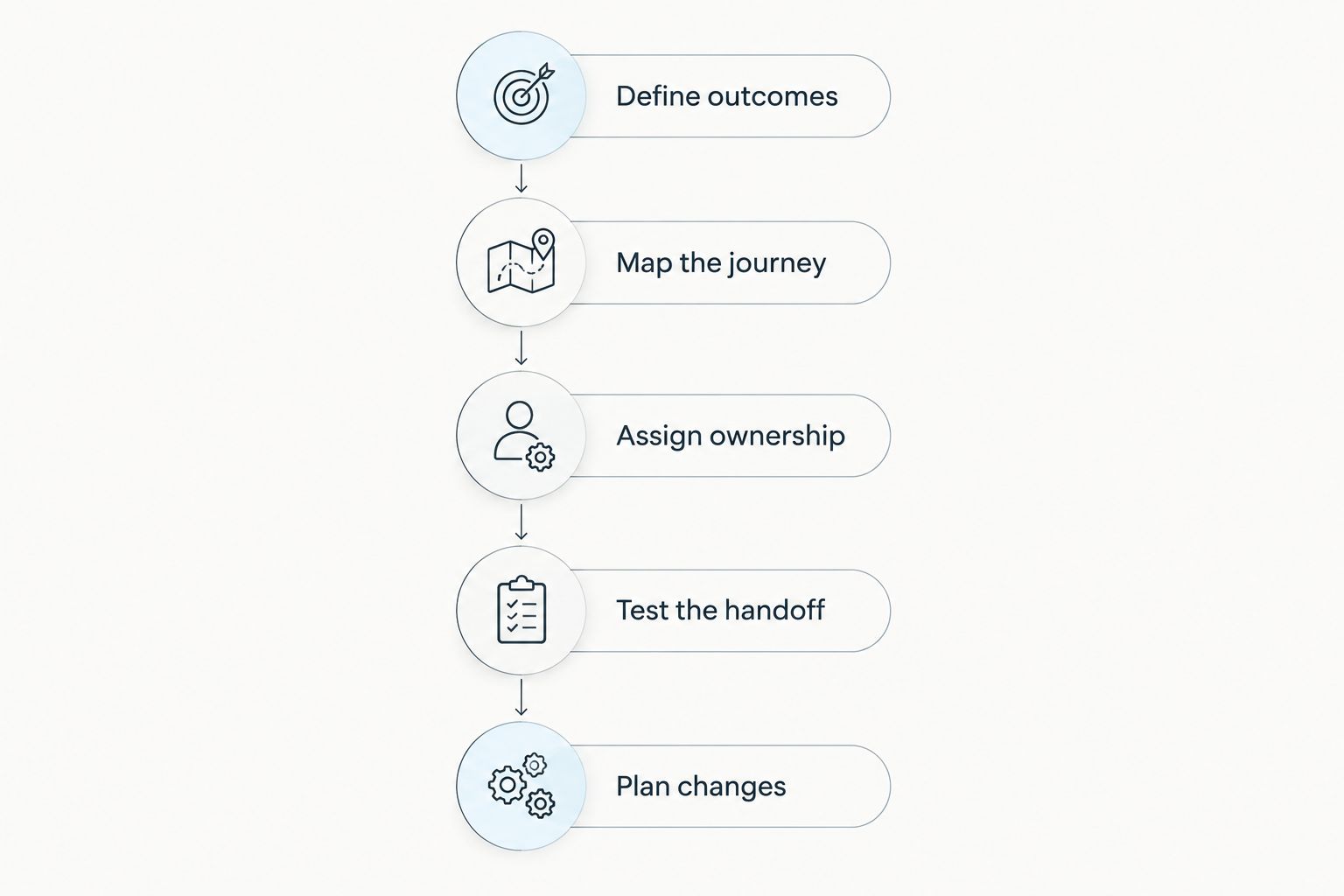
Follow this sequence:
- Define outcomes. State what the participant should learn or receive and what your team should do with the response.
- Map the journey. Document the path from entry through questions, results, submission, and follow-up.
- Assign ownership. Name who provides copy, approves design, configures data collection, and manages launch.
- Test the handoff. Specify how you will verify that submitted answers arrive with the information needed for follow-up.
- Plan changes. Decide who can update the experience and who handles changes outside the original scope.
The steps work for either delivery method. A template does not remove your need for acceptance testing, and custom development does not remove your need to supply a clear brief.
Keep the acceptance checklist readable. Describe what should happen when a participant completes each intended path, what information should be recorded, and which action follows. That is more useful than a list of vague feature names.
The ownership decision also connects to building gamification in-house versus hiring a studio. Review that question when your team can configure a quiz but needs help with the wider campaign experience.
Is custom quiz design worth it for lead generation?
Custom quiz design is worth considering when a required lead-generation journey exceeds the template's demonstrated capabilities. It is not justified solely by a wish to make the campaign look different.
Define a useful lead before designing the questions. Your marketing team should know which answers inform follow-up and which information is unnecessary. A quiz that collects information without a plan for using it creates an ownership problem, not a stronger brief.
Use the same standard for templates and custom work: the completed journey must produce the intended result and usable customer information. Evaluate the outcome separately from the delivery method.
Can you start with a template and commission custom work later?
You can plan a template-led first version and reassess custom development against the requirements it exposes. Treat the first version as a way to check your journey and content, not as proof that later migration will be simple.
Before launch, identify what you would need to retain: question wording, result logic, collected information, and campaign reporting. Check whether you can obtain those materials in a usable form.
Do not commission custom work merely because the first version feels unfinished. First distinguish between a content problem, an unsupported requirement, and an implementation problem. Each calls for a different next move.
Who should own the quiz after launch?
The quiz needs a named owner for content, data handling, and technical changes after launch. Decide those responsibilities before accepting either a template setup or a custom build.
Ask for an explanation of how edits are made and tested. Confirm who responds when a submission fails, a result needs updating, or the follow-up process changes. Ownership belongs in the original comparison rather than becoming a separate problem later.
FAQ
How much does custom quiz design cost compared to templates?
Compare custom quiz design with templates using the same deliverables and ownership requirements. Include content, result logic, data capture, testing, and ongoing changes so you are comparing complete campaign delivery rather than different amounts of work.
What's the best choice for a straightforward lead-generation quiz?
A template is the better starting point when its supported question flow, results, and data capture meet your brief. Demonstrate the complete participant journey before committing to it.
Is custom quiz design better than a template?
Custom quiz design is better suited to required interactions that the selected template cannot support adequately. A template remains a valid choice when it delivers the intended experience without unsupported changes.
Can a template collect first-party customer data?
Evaluate the selected template's data-collection capabilities rather than assuming them. Check the fields, answer records, collection purpose, and handoff your campaign requires.
What should I ask a quiz-design studio to include?
Ask the studio to identify responsibility for content, interaction rules, presentation, data capture, testing, launch, and maintenance. Separate essential requirements from optional additions before reviewing proposals.
Does Brainylab offer marketing quizzes or just games?
Brainylab offers marketing lead-generation quizzes as well as branded games and interactive experiences. Its stated work focuses on helping brands engage users and collect first-party customer data.
How should I compare quiz proposals in 2026?
Compare 2026 quiz proposals against one shared brief and acceptance checklist. Require each proposal to distinguish included deliverables, exclusions, and work assigned to your team.
One last thing
Before choosing a delivery method, write an example of a completed quiz submission and the next action your team should take. Include the result shown to the participant and the information needed for follow-up.
Then ask each supplier to explain how its approach produces that outcome. If the handoff is unclear, the comparison is unfinished—even when the quiz design is approved.


