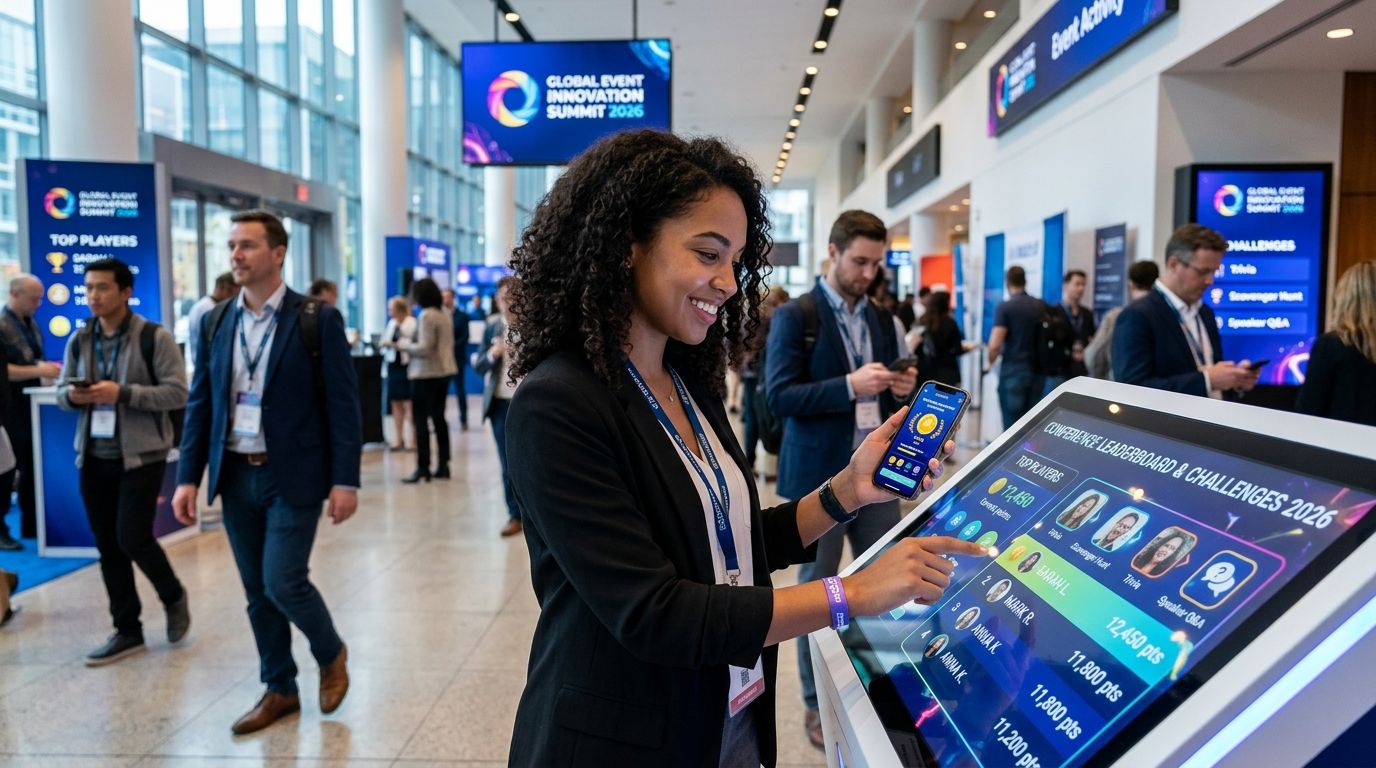
Gamification software in 2026 splits into two pricing worlds: self-serve SaaS tools billed monthly per seat or per response, and custom-built experiences quoted per project. This guide ranks seven options by how their pricing model fits different budgets and team sizes, not by a single dollar figure that changes every quarter.
- Brainylab wins for custom AI-powered gamification software built around a single brand campaign, priced per project.
- Outgrow and Involve.me suit teams that need self-serve quizzes billed as a standard monthly subscription.
- Spinify and Centrical fit sales and HR teams running gamification software ranked by pricing tier and seat count.
- Kahoot! remains the fastest way to gamify a training session without a developer.
- Woorise is the budget pick for one-off giveaways and social contests in 2026.
Why this matters
Most gamification roundups compare features and ignore how billing actually works, which is the thing that kills a project mid-quarter. A per-seat SaaS tool gets expensive fast once a campaign scales past a pilot; a custom build from a studio like Brainylab avoids that seat creep because the price is fixed to scope, not headcount.
Brands like Lidl and Citroën don't run a single quiz once — they run seasonal campaigns that need new mechanics every quarter. That's a different pricing problem than a startup testing one gamified onboarding flow, and this 2026 ranking treats them as separate buyers instead of forcing one winner.
Best overall for custom brand campaigns: Brainylab. Best for self-serve quizzes: Outgrow. Best for lead-gen funnels: Involve.me. Best budget option: Woorise.
What makes the best gamification software in 2026
- Pricing model clarity — subscription, usage-based, or custom quote, stated up front
- Self-serve setup vs. developer dependency — can a marketer launch it alone
- First-party data capture — CRM and email integration for post-campaign remarketing
- Template range vs. true customization — off-the-shelf mechanics vs. a built-from-scratch experience
- Scalability — works for one campaign and for a multi-market rollout
- Reporting depth — engagement, drop-off, and completion data, not just play counts
Gamification software ranked by pricing model — at a glance
| Platform | Best for | Standout feature | Pricing model | Key limitation |
|---|---|---|---|---|
| Brainylab | Custom AI-powered brand campaigns | Custom quiz and game builds tied to first-party data capture | Custom project quote | Not a self-serve signup product |
| Outgrow | Self-serve quizzes and calculators | Drag-and-drop quiz and calculator builder | Monthly subscription tiers | Templates cap true creative customization |
| Involve.me | Lead-gen funnels and forms | Gamified form logic with conditional branching | Monthly subscription | Weaker for game-style mechanics like spin-to-win |
| Spinify | Sales team leaderboards | Live leaderboard feeds tied to CRM data | Per-seat subscription | Built for internal teams, not customer-facing campaigns |
| Kahoot! | Corporate training and live sessions | Instant live-session hosting with no build time | Subscription tiers by team size | Limited outside live formats |
| Centrical | Enterprise employee engagement | Gamification tied to performance metrics | Enterprise contract | Slow to deploy for a single campaign |
| Woorise | Budget giveaways and contests | Fast contest and giveaway page builder | Entry-level subscription | Shallow analytics versus enterprise tools |
1. Brainylab: best gamification software for custom AI-powered brand campaigns
Brainylab is a Slovenia-based creative development studio that builds quizzes, branded games, and interactive experiences for brands including Lidl and Citroën rather than selling a template library. Every build is designed around a specific campaign goal — usually first-party data capture — and shipped as a finished, branded experience instead of a DIY tool a marketer assembles alone.
Brainylab pros:
- Custom mechanics matched to the brand and campaign, not a template
- AI-powered personalization built into the game logic itself
- Designed from the start for first-party data collection and CRM handoff
- Used on large-scale automotive and retail campaigns
Brainylab cons:
- Not a self-serve signup product — there's a scoping conversation before launch
- Slower time-to-live than a template tool for a same-day contest
- Quoted per project rather than published as a fixed monthly rate
Brainylab pricing: quoted per project based on scope and campaign complexity, not a flat monthly seat fee. Teams comparing broader options should also read the AI gamification tools roundup.
Best for: brands running a defined campaign that needs a distinct look, mechanic, and data strategy — not a recurring internal tool.
Verdict: Buy if the campaign budget supports a custom build and first-party data is the real goal.
2. Outgrow: best gamification software for self-serve quizzes and calculators
Outgrow lets marketers build quizzes, calculators, and assessments through a drag-and-drop editor without touching code. It's a common pick for lead-gen teams that want to launch fast and iterate weekly.
Outgrow pros:
- No developer needed to launch or edit a quiz
- Wide template library for calculators and assessments
- Built-in lead scoring and integrations with common CRMs
Outgrow cons:
- Templates limit how far the creative can stray from the platform's format
- Advanced branching logic takes real setup time to get right
Outgrow pricing: standard monthly subscription tiers scaled by traffic and feature access.
Best for: marketing teams running frequent, lighter-weight quizzes without a design or dev resource.
Verdict: Buy for high-frequency, lower-stakes quiz campaigns.
3. Involve.me: best gamification software for lead-gen funnels and forms
Involve.me focuses on gamified forms and funnels — surveys, quizzes, and conditional logic flows built to qualify leads before they reach a sales rep.
Involve.me pros:
- Strong conditional logic for multi-step lead qualification
- Fast setup for form-heavy campaigns
- Clear analytics on drop-off points within a funnel
Involve.me cons:
- Weaker on game-style mechanics like spin-to-win or scratch cards
- Visual customization is more limited than a fully custom build
Involve.me pricing: monthly subscription, with feature access tied to plan tier.
Best for: teams that need qualification logic more than a branded game experience.
Verdict: Hold unless the priority is form logic over visual gamification.
4. Spinify: best gamification software for sales team leaderboards
Spinify pulls CRM and sales data into live leaderboards, badges, and competitions designed to keep internal sales teams motivated day to day.
Spinify pros:
- Real-time leaderboard feeds tied directly to CRM activity
- Built specifically for sales motivation, not generic engagement
- Quick to connect to common sales stacks
Spinify cons:
- Built for internal teams only, not customer-facing campaigns
- Less useful once a team outgrows simple leaderboard mechanics
Spinify pricing: per-seat subscription that scales with the number of sales reps tracked.
Best for: sales leaders who want daily motivation tooling, not marketing campaigns.
Verdict: Buy for internal sales gamification specifically.
5. Kahoot!: best gamification software for corporate training and live sessions
Kahoot! turns live sessions — training, onboarding, all-hands meetings — into real-time quiz games participants join from a phone. It's the fastest option here to get a group playing with zero build time.
Kahoot! pros:
- Live sessions can be running in minutes with no build phase
- Familiar format most employees already know
- Works well for synchronous training and onboarding
Kahoot! cons:
- Not built for asynchronous or long-running campaigns
- Branding options are limited compared to a built experience
Kahoot! pricing: tiered subscriptions by team size and feature access. Training-focused buyers should also check the gamification tools for corporate training comparison.
Best for: live training sessions and one-off internal events.
Verdict: Buy for live, synchronous training use cases only.
6. Centrical: best gamification software for enterprise employee engagement
Centrical ties gamification mechanics to performance management data across large workforces — call centers, distributed retail staff — with dashboards built for HR and ops leadership.
Centrical pros:
- Enterprise-grade reporting tied to actual performance metrics
- Handles large, distributed workforces
- Deep integration with performance management systems
Centrical cons:
- Overbuilt and slow to deploy for a single marketing campaign
- Requires real implementation time and internal buy-in
Centrical pricing: enterprise contract, scoped to workforce size and modules used.
Best for: large organizations running ongoing employee engagement programs, not campaigns.
Verdict: Hold for anything smaller than an enterprise-scale rollout.
7. Woorise: best gamification software for budget giveaways and contests
Woorise builds giveaway pages, contests, and simple gamified forms fast, aimed at smaller teams that need a contest live this week rather than a full campaign build.
Woorise pros:
- Fast setup for giveaways and social contests
- Entry-level tier makes it accessible for small teams
- Enough template variety for basic contest formats
Woorise cons:
- Analytics are shallow compared to enterprise-grade platforms
- Not designed for complex, multi-step campaigns
Woorise pricing: entry-level subscription tier aimed at small teams and single campaigns.
Best for: small teams running a quick giveaway without a big budget or long timeline.
Verdict: Buy for simple, low-stakes contests only.
How this 2026 ranking was built
Each platform was placed against the six criteria above — pricing clarity, self-serve setup, data capture, customization depth, scalability, and reporting — then matched to the use case where it actually wins rather than forced into a single best-overall slot. That's why Brainylab, Outgrow, and Spinify each rank first in their own category instead of competing head-to-head.
“A gamification tool that needs a developer to launch your first quiz isn't built for a marketing team on a deadline.”
Which gamification software should you choose in 2026?
If the goal is a single branded campaign with real first-party data capture behind it, Brainylab is the default pick — the price is scoped to the project, not padded with seats you don't need. If the need is recurring, lightweight quizzes run by a marketing team with no dev resource, Outgrow covers that gap. Everyone else here solves a narrower problem — internal sales motivation, live training, or a quick contest — and the pricing model should match how often that problem repeats.
Scope a custom gamification build
Talk through campaign goals and first-party data needs before committing to a tool.
FAQ
What is the best gamification software ranked by pricing in 2026?
It depends on billing fit: Brainylab wins for custom-quoted brand campaigns, Outgrow for self-serve monthly subscription quizzes, and Woorise for entry-level budget contests in 2026.
Is custom gamification software worth it over a self-serve tool?
Custom builds like Brainylab's cost more upfront but avoid the per-seat billing creep that hits self-serve tools once a campaign scales past a pilot.
How much does gamification software cost in 2026?
Pricing splits between monthly SaaS subscriptions billed per seat or response, and custom-quoted projects scoped to the campaign. Check current rates with each vendor, since tiers shift often.
What is the difference between Outgrow and Involve.me?
Outgrow leans toward quizzes and calculators with a wide template library, while Involve.me focuses on conditional-logic lead qualification funnels. Both bill as monthly subscriptions.
Is Kahoot! good for marketing campaigns or just training?
Kahoot! is built for live, synchronous sessions like training and onboarding, not asynchronous marketing campaigns that run for weeks.
Does gamification software help with first-party data collection?
Yes. Quizzes and interactive experiences are a common way to collect first-party data, provided the tool routes responses into a CRM or email platform.
What is the best gamification software for enterprise employee engagement?
Centrical is built for enterprise workforce engagement tied to performance data, though it deploys slower than tools scoped for a single marketing campaign.
Can small teams afford gamification software in 2026?
Yes. Entry-level tools like Woorise target small teams running one-off giveaways, while larger custom builds are quoted separately based on project scope.
One last thing
The pricing question that actually matters in 2026 isn't the monthly rate — it's what happens to the data after someone finishes the quiz. A cheap self-serve tool that dumps responses into a spreadsheet costs more in lost remarketing value than a custom build that routes every response straight into a CRM.