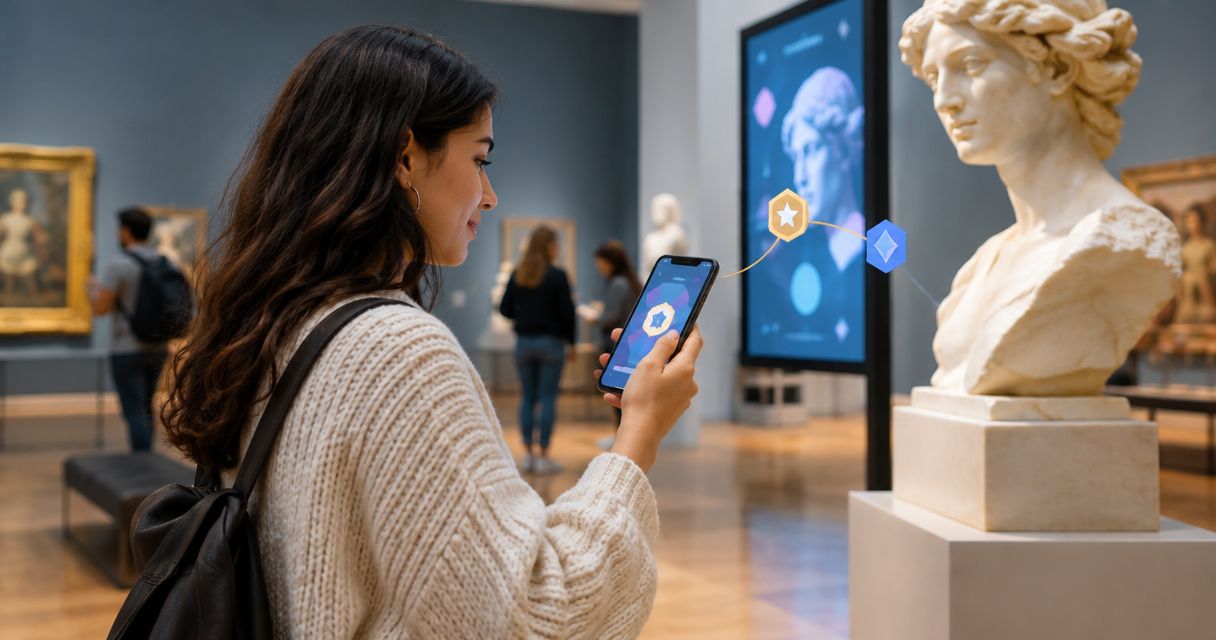
Museum and cultural institution gamification marketing uses AI-powered quizzes, trivia trails, and exhibit-tied games to turn one-time visitors into repeat members while capturing first-party data before it disappears into a ticketing spreadsheet nobody reads again.
- Gamification marketing for museums and cultural institutions works best when the game is tied to a specific object or gallery, not a generic giveaway.
- First-party data captured through a quiz or trail beats anonymous foot-traffic counts for grant reports and membership renewal targeting.
- GDPR compliance is non-negotiable for EU institutions; fines can reach 4% of global annual revenue.
- Custom AI-powered quiz tools outperform generic SaaS templates for exhibit-specific engagement in 2026.
- Small museums can start with a manual scavenger hunt before investing in a built quiz platform.
Why gamification marketing matters for museums and cultural institutions
Museums and cultural institutions run on repeat visitation, membership renewals, school group bookings, and donor reporting. A static wall label or a website visit count doesn't answer the question a board member or a grant officer actually asks: how many people engaged with the exhibit, and can you reach them again?
A quiz, trivia trail, or interactive game built around the collection turns a passive walk-through into trackable behavior. Brainylab builds these as AI-powered gamified apps specifically for brands running engagement campaigns, and the same mechanics that work for retail loyalty programs translate directly to gallery visits: completion rate, quiz score distribution, and opted-in email addresses replace guesswork.
Data capture through play matters more for EU institutions than for most sectors, because museums often sit on public or donor funding and answer to compliance reviews. GDPR violations can cost up to 4% of global annual revenue, so any first-party data mechanism needs consent built in at the point of collection, not bolted on afterward.
The gamification playbook for museums and cultural institutions
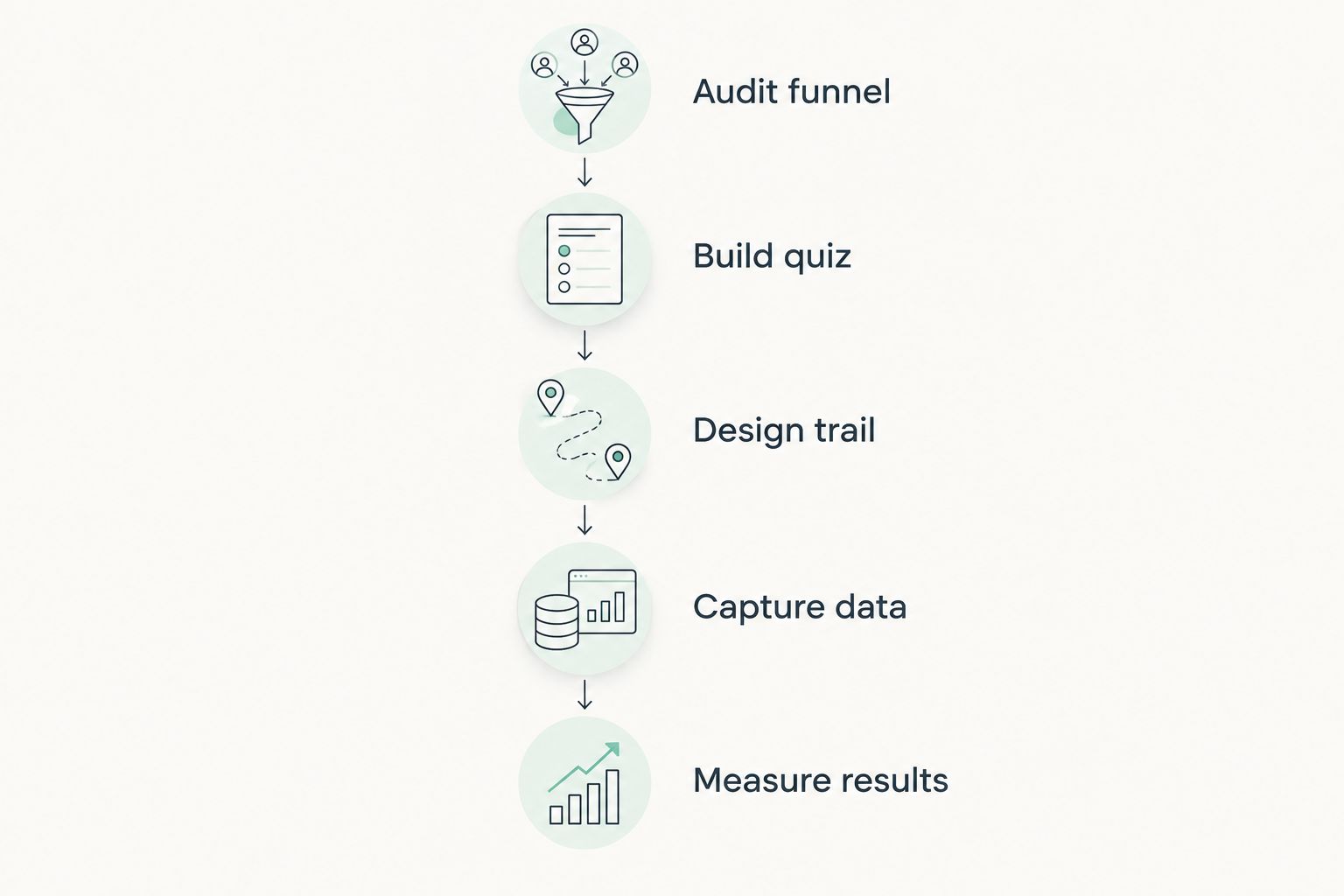
Audit your current visitor engagement funnel
Before building anything, map where visitors currently drop off between arrival and membership sign-up.
- Count how many visitors take a printed guide versus use nothing at all
- Check whether your ticketing system captures an email address at point of sale
- Review last year's school group bookings against total annual visits
- Look at membership renewal rate versus new membership sign-ups
- Note which galleries get the longest average dwell time
Build a quiz or trivia format tied to your collection
Generic trivia apps don't move the needle because they don't reference a single object in your building. The manual version costs nothing: write 8-10 questions per gallery on index cards or a paper handout and hand them out at the entrance.
- Base every question on an object, artifact, or gallery text panel visitors already pass
- Keep difficulty mixed so families and school groups both finish
- Add a visual clue (a photo of a detail) rather than a plain text question
- Score the quiz so staff can hand out a small recognition at the end desk
- Test it with staff before launch to catch factual errors
When the paper version proves visitors will actually finish it, an AI-powered quiz builder like the ones covered in this AI quiz tools for market research guide replaces the clipboard with a phone-based experience that captures answers, scores, and opt-in emails automatically.
Design a physical scavenger hunt or trivia trail
A trail format works especially well for larger galleries and outdoor museum grounds where a single quiz card doesn't cover the ground visitors will cover anyway.
- Mark 5-8 checkpoints across the building or grounds
- Give each checkpoint a short riddle or visual clue instead of a direct question
- Print a physical stamp card or use a QR code at each stop
- Set a completion reward that doesn't require extra staff time to hand out
- Route the trail so it naturally passes underused galleries
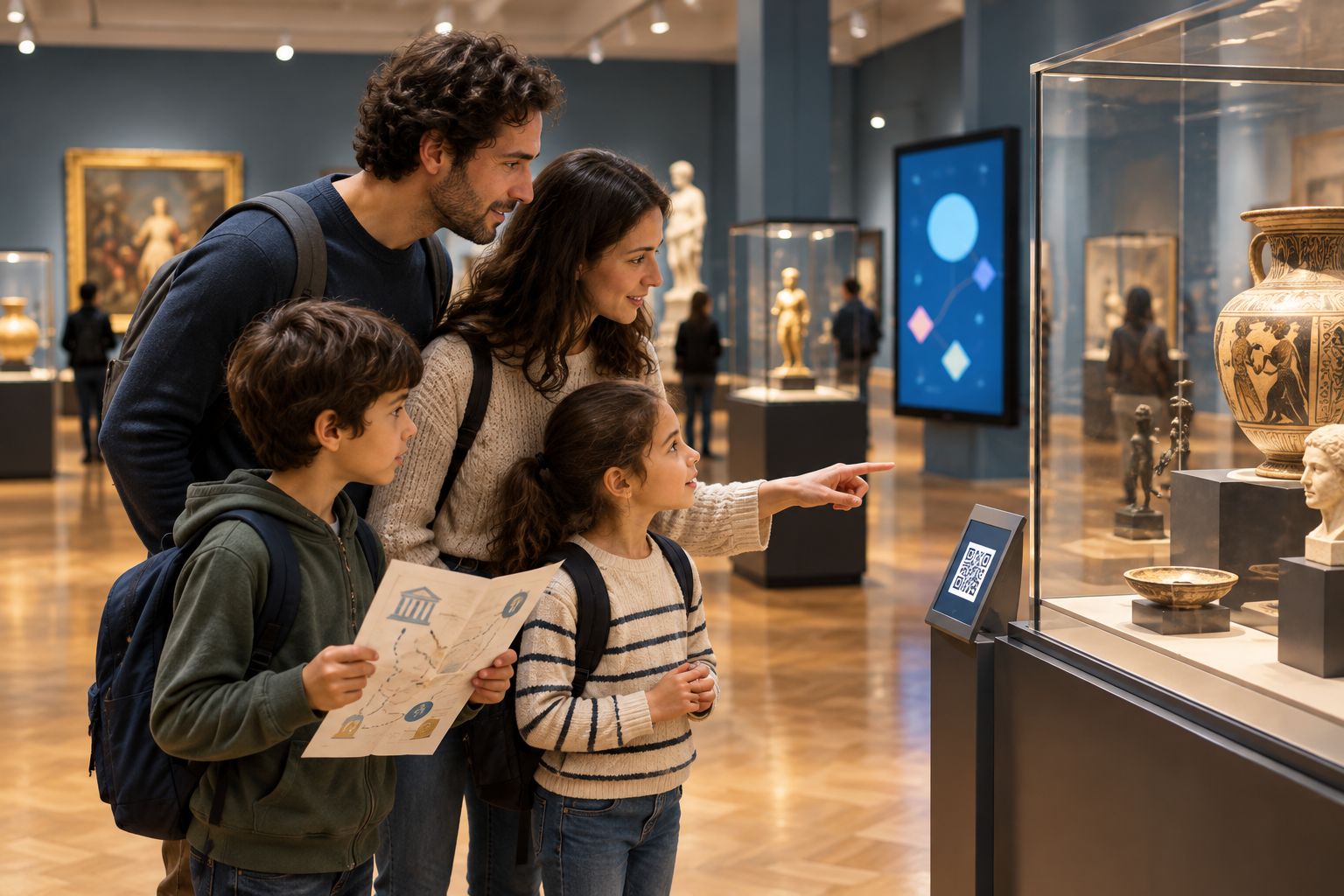
Capture first-party data at every touchpoint
Every quiz completion, trail finish, or check-in is a chance to collect an email address in exchange for something the visitor actually wants, not a forced newsletter sign-up.
- Offer entry into a members-only event as the incentive, not a generic discount
- Ask for consent in plain language at the exact moment of data entry
- Separate school group data from adult visitor data at intake
- Store answers to segment by interest (art history buffs vs. families vs. school groups)
- Delete or anonymize data on the retention schedule your institution's policy sets
Institutions that treat this step as an afterthought end up with a spreadsheet of names and no permission trail if a data request ever comes in. The first-party data collection guide covers how consent capture should sit inside the game mechanic itself, not as a separate pop-up.
Segment audiences for membership and event marketing
A visitor who finished a scavenger hunt with a 90% score is a warmer membership lead than someone who walked past a poster. Treat game data as a lead score, not just an engagement metric.
- Tag high scorers for a personalized membership renewal email
- Flag school groups for teacher-facing follow-up about future bookings
- Route donors and existing members into a separate, deeper engagement track
- Use quiz topic preference to recommend the next temporary exhibit
Measure engagement and iterate
A single campaign season isn't enough data to judge whether gamification is working. Track completion rate, opt-in rate, and repeat-visit rate against the previous year's baseline, then adjust the format each season.
Comparing gamification options for museums and cultural institutions in 2026
| Option | Best for | Key limitation |
|---|---|---|
| DIY paper quiz or Google Forms | Institutions testing the concept with zero budget | No consent capture, no automatic data segmentation |
| Generic gamification SaaS templates | One-off seasonal campaigns | Templates aren't built around specific exhibits or objects |
| Custom AI-powered gamification studio | Institutions wanting exhibit-tied games with GDPR-compliant data capture | Requires a briefing period and lead time before launch |
| In-house app development | Large institutions with a permanent dev team | Slow to update between exhibit rotations, high maintenance cost |
“If a quiz doesn't reference a single object in your galleries, it's not museum gamification, it's just a giveaway.”
Common mistakes museums and cultural institutions make with gamification
- Building a generic trivia game instead of one tied to the collection — visitors notice when questions could apply to any museum in the country.
- Running gamification as a one-off summer campaign — without a repeat cadence, the data collected in July is stale by the following membership renewal cycle.
- Skipping consent language at the point of data capture — retrofitting GDPR compliance after a campaign launches is far harder than building it in from the first checkpoint.
- Ignoring the school group and tour operator segment — these groups book weeks ahead and respond well to a teacher-facing version of the same game, but most institutions only build for solo adult visitors.
- Measuring only "plays" instead of opt-in rate and repeat visits — a high play count with no follow-up data collected is a vanity metric, not a marketing result.
Plan your 2026 museum gamification campaign
Get a briefing on an AI-powered quiz or trail built around your collection.
FAQ
What is gamification marketing for museums and cultural institutions?
It's the use of quizzes, scavenger hunts, and interactive games tied to a museum's own collection to turn passive visits into trackable, data-capturing engagement. The goal is repeat visitation and membership growth, not just entertainment.
How much does a museum gamification campaign cost in 2026?
Cost depends on scope: a paper-based scavenger hunt costs almost nothing to run, while a custom AI-powered quiz app scales with the number of galleries and languages needed. Check with a gamification studio directly for a quote based on your exhibit size.
Is gamification effective for driving museum membership renewals?
Yes, when the game captures an opt-in email and a topic interest at the point of play, that data becomes a targeted renewal list rather than a blanket email blast. Institutions that skip data capture during the game miss this benefit entirely.
What's the best type of game for a small museum with a limited budget?
A paper-based scavenger hunt or trivia card tied to specific exhibits costs nothing beyond printing and staff time. Start there before investing in a built quiz platform.
How do museums collect first-party data through games without violating GDPR?
Consent language has to appear at the exact moment data is requested, not as a separate pop-up after the fact. GDPR fines can reach 4% of global annual revenue, so consent capture needs to be part of the game mechanic itself.
Can gamification work for school group visits?
Yes, but school group data and adult visitor data should be segmented separately at intake. A teacher-facing version of the same quiz or trail, booked weeks in advance, tends to perform better than a generic version aimed at solo visitors.
What's the difference between a quiz and a scavenger hunt for museum marketing?
A quiz tests knowledge about specific objects or gallery text, usually completed at one point or on a phone. A scavenger hunt routes visitors physically through multiple checkpoints across the building, which works better for larger galleries or grounds.
Do cultural institutions need a developer to build gamified experiences?
Not for a paper-based pilot, but a phone-based quiz with automatic data capture and consent handling generally needs a built platform or studio rather than a spreadsheet and a printer.
One last thing
The institutions that get the most out of gamification marketing in 2026 don't treat the game as a summer add-on. They rebuild it every time an exhibit rotates, because a trivia trail written for last year's temporary show reads as stale the moment the objects change, and stale games get skipped by the visitors who came back specifically to try something new.


