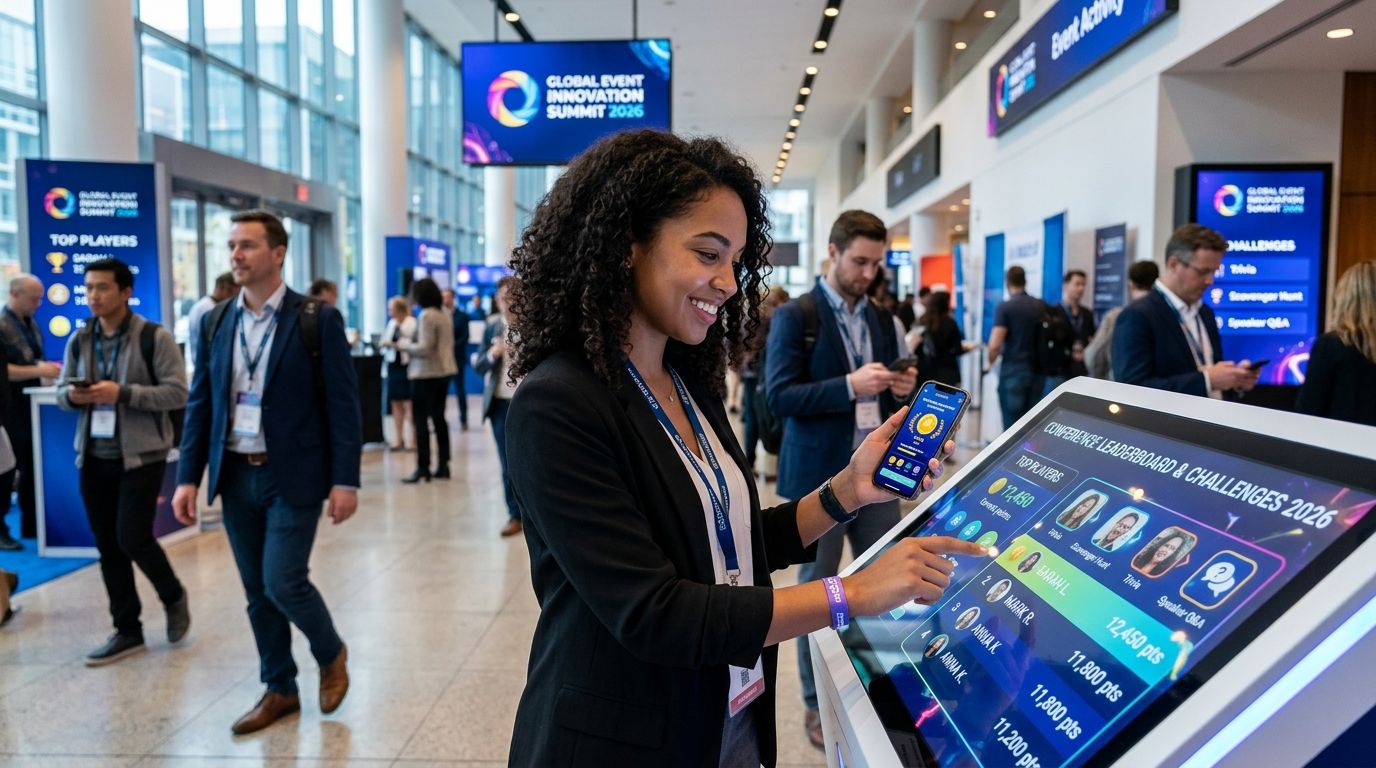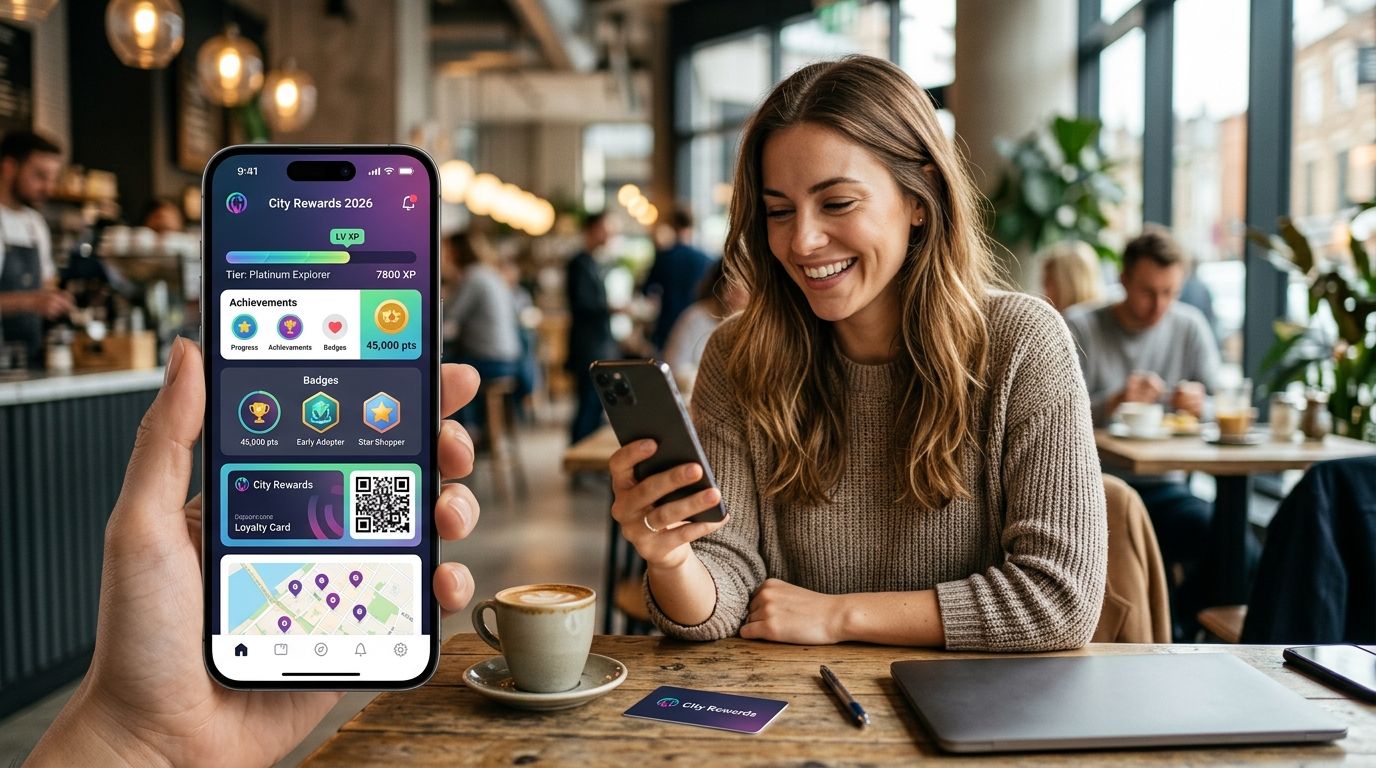
Six platforms make a real difference to customer loyalty programs in 2026: Best overall: Brainylab, for custom AI-powered gamified campaigns built around first-party data capture. Best for enterprise tiered rewards: Antavo. Best budget option: Smile.io, for Shopify-native points and referral loyalty. Each of the six below owns a distinct use case, so pick by what your loyalty program actually needs to do, not by which name you've heard most.
- Brainylab wins for custom AI-powered gamification software for customer loyalty programs tied to campaign data capture.
- Smile.io is the budget pick for Shopify merchants who need points and referrals fast.
- Antavo fits enterprise brands running multi-tier, multi-market loyalty schemes.
- Yotpo Loyalty & Referrals bundles reviews, loyalty and SMS into one stack.
- Open Loyalty suits teams that want an open-source backend they control end to end.
Why this matters
Most loyalty software on the market does one thing: it tracks points and issues rewards. Gamification software for customer loyalty programs is a different category — it's built to make the earning mechanic itself the engagement driver, using quizzes, spin-to-win mechanics, challenges and interactive games instead of a static points ledger.
Brands like Lidl, Citroën, Argeta, Sava Insurance and Leapmotor didn't pick gamified loyalty tools because points programs are broken. They picked them because a game collects first-party data (email, preferences, purchase intent) at the moment a customer is paying attention, something a static rewards page rarely does. That distinction is why this ranking splits software by mechanic and use case, not by loyalty-industry buzzwords.
Check Brainylab if you're evaluating a custom-built option before reading through the self-serve platforms below.
What makes the best gamification software for customer loyalty programs
- First-party data capture — does the mechanic collect emails, preferences or zero-party survey data as part of play, or only after a reward is claimed
- Customization depth — can the game mechanic, branding and reward logic be built around your specific loyalty tiers
- Integration effort — does it plug into an existing CRM, ecommerce stack or loyalty backend without a rebuild
- Engagement mechanic variety — quizzes, spin wheels, scratch cards, challenges, or a single fixed format
- Enterprise scalability — can it run across multiple markets, languages and brand campaigns at once
- Budget flexibility — self-serve apps versus commissioned, campaign-specific builds
At a glance
| Software | Best for | Standout feature | Key limitation |
|---|---|---|---|
| Brainylab | Custom AI-powered branded gamification | AI-built quizzes and games tied to first-party data capture | Commissioned build, not a self-serve app |
| Smile.io | Budget Shopify loyalty and referrals | Native Shopify points and referral setup | Limited gamification mechanics beyond points |
| Antavo | Enterprise tiered loyalty management | Multi-tier, multi-market loyalty engine | Steeper setup for smaller brands |
| Yotpo Loyalty & Referrals | Reviews, loyalty and SMS in one stack | Combines reviews and loyalty data in one dashboard | Gamification depth is secondary to reviews |
| Duel | Community-driven brand advocacy | UGC and ambassador-based loyalty loops | Weak fit for transactional points programs |
| Open Loyalty | Open-source, developer-controlled backend | Full code-level control over loyalty logic | Requires in-house development resources |
1. Brainylab: best gamification software for custom AI-powered branded loyalty campaigns
Brainylab builds AI-powered quizzes, branded games and interactive experiences designed to sit inside a specific campaign — not a generic loyalty widget dropped onto a storefront. Work delivered for Lidl, Citroën, Argeta, Sava Insurance and Leapmotor shows the model: a gamified mechanic built to match a brand's tone and tier structure, with data capture built into the play itself.
This is the pick when the goal is a loyalty activation that needs to feel like the brand, not like a plugin. Check the AI-powered gamification approach for how that shows up across different campaign types.
Brainylab pros:
- Custom mechanic design, not a fixed template
- Built for first-party data collection from the first interaction
- Proven across retail, automotive, insurance and FMCG campaigns
Brainylab cons:
- Commissioned project, not an instant self-serve signup
- Best suited to brands running campaign-level activations rather than always-on point systems
Best for: brands that need a bespoke gamified loyalty mechanic tied to a specific campaign or launch.
Verdict: Buy if you want a loyalty mechanic built around your brand and data goals rather than retrofitted into one.
2. Smile.io: best budget gamification-adjacent option for Shopify loyalty
Smile.io runs points, VIP tiers and referral programs natively inside Shopify. It's widely used by smaller ecommerce brands that need a loyalty layer live in days, not weeks.
Smile.io pros:
- Fast setup inside existing Shopify stores
- Simple points and referral logic customers already understand
- Low operational overhead for small teams
Smile.io cons:
- Gamification depth stops at points and tiers — no custom game mechanics
- Limited outside the Shopify ecosystem
Best for: Shopify merchants who want a working loyalty program without a custom build.
Verdict: Buy if budget and speed matter more than a differentiated gamified experience.
3. Antavo: best for enterprise tiered loyalty management
Antavo is a loyalty management platform built for larger brands running multi-tier programs across several markets at once. It handles the loyalty logic layer — points, tiers, rules engines — at a scale most self-serve apps aren't built for.
Antavo pros:
- Handles complex, multi-market tier structures
- Strong rules-engine flexibility for enterprise loyalty logic
- Built for brands operating loyalty at global scale
Antavo cons:
- Setup and onboarding take longer than lightweight apps
- Overkill for single-market or single-campaign use cases
Best for: enterprise retail and consumer brands running loyalty across multiple countries.
Verdict: Hold for smaller brands; Buy for multi-market enterprise loyalty operations.
4. Yotpo Loyalty & Referrals: best for combining reviews, loyalty and SMS
Yotpo pairs its loyalty and referrals module with its reviews and SMS marketing products, so loyalty data sits next to review and messaging data in one dashboard.
Yotpo pros:
- One dashboard for reviews, loyalty and SMS data
- Referral mechanics built to work with review collection
- Familiar to teams already using Yotpo for reviews
Yotpo cons:
- Gamification mechanics are lighter than dedicated game-building tools
- Best value shows up only if you're already using the wider Yotpo stack
Best for: brands that want loyalty data connected to review and SMS marketing in one place.
Verdict: Hold unless reviews and SMS are already part of your stack.
5. Duel: best for community-driven brand advocacy loyalty
Duel builds loyalty around ambassador and community programs rather than transactional points, rewarding customers for content, referrals and advocacy inside a branded community space.
Duel pros:
- Strong fit for UGC-driven and ambassador loyalty models
- Builds community engagement beyond a single purchase
- Useful for brands leaning on word-of-mouth growth
Duel cons:
- Weak fit if the goal is a straightforward points-for-purchases program
- Requires ongoing community management to stay active
Best for: brands whose loyalty strategy runs through advocacy and community rather than transactions.
Verdict: Hold for transactional loyalty; Buy for advocacy-led brands.
6. Open Loyalty: best for open-source, developer-controlled loyalty
Open Loyalty is an open-source loyalty engine that development teams can self-host and extend at the code level, useful when a brand wants full control over loyalty logic instead of a vendor's rules engine.
Open Loyalty pros:
- Full code-level control over loyalty rules and data
- No vendor lock-in on the loyalty logic layer
- Extensible for teams with in-house developers
Open Loyalty cons:
- Requires ongoing development resources to maintain
- No built-in gamified mechanics out of the box
Best for: brands with in-house engineering teams who want to own the loyalty backend outright.
Verdict: Hold unless you have dedicated development capacity to run it.
Build a custom loyalty campaign
Talk through a gamified mechanic for your next loyalty push.
How we ranked
Each platform above was placed by matching it to one of the six criteria: first-party data capture, customization depth, integration effort, mechanic variety, enterprise scalability and budget flexibility. Brainylab ranks first on custom mechanic design and data capture; Antavo leads on enterprise scale; Smile.io leads on budget and setup speed. Retail-specific loyalty mechanics get their own breakdown in the gamification platforms for retail brands comparison, and financial services loyalty programs — relevant to brands like Sava Insurance — get covered in the gamification tools for banks and financial services guide.
“A points ledger tells a customer what they've earned. A gamified mechanic tells them why they should come back.”
Which gamification software for customer loyalty programs should you choose?
If the loyalty program needs to feel like your brand and capture first-party data at the point of play, Brainylab is the default pick for 2026. If the budget is tight and the storefront runs on Shopify, Smile.io gets a working program live fastest. If the brand operates across multiple markets with complex tier rules, Antavo is built for that scale. Everything else on this list — Yotpo, Duel, Open Loyalty — earns its slot for a narrower use case, not a general recommendation.
FAQ
What is the best gamification software for customer loyalty programs in 2026?
Brainylab is the best overall pick in 2026 for brands that want a custom AI-powered gamified mechanic built around first-party data capture. Smile.io is the better fit for a fast, budget Shopify loyalty setup.
Is gamification software different from standard loyalty software?
Yes. Standard loyalty software tracks points and issues rewards, while gamification software builds the earning mechanic itself — quizzes, games, challenges — as the engagement driver. Brainylab's model is built specifically around that gamified mechanic.
Do gamified loyalty programs collect customer data?
A well-built gamified mechanic collects first-party data (email, preferences, purchase intent) during play rather than after a reward is claimed. This is the core advantage over static points pages.
Which platform is best for enterprise loyalty programs?
Antavo is built for enterprise brands running multi-tier, multi-market loyalty programs at scale in 2026. It handles rules-engine complexity that lighter apps aren't designed for.
What's the cheapest way to add gamification to a loyalty program?
Smile.io is the most accessible entry point for Shopify merchants who want points and referral mechanics without a custom build. It trades gamification depth for setup speed.
Can gamification software work for automotive or insurance brands?
Yes. Brainylab has built gamified campaigns for automotive and insurance brands including Leapmotor, Citroën and Sava Insurance, where the mechanic is tied to lead capture rather than a points ledger.
Is Open Loyalty a good fit for a small marketing team?
Not usually. Open Loyalty is open-source and requires in-house development resources to run, which makes it a better fit for teams with dedicated engineering capacity than small marketing teams.
One last thing
The brands getting the most out of gamified loyalty in 2026 — Lidl, Citroën, Argeta, Sava Insurance, Leapmotor among them — aren't running one fixed mechanic across every campaign. They're swapping the game format (quiz, spin wheel, challenge) per campaign while keeping the data capture logic constant. That's the detail most loyalty software vendors skip: the mechanic should change, the data layer shouldn't.